

Why Regional Art Schools May Be the Best Fit for Your Teen
When aspiring artists consider their educational paths, the spotlight often falls on globally renowned institutions like the Rhode Island School of Design (RISD) or the California Institute of the Arts (CalArts). These top art schools are celebrated for their prestigious programs, renowned faculty, and extensive alumni networks.
However, the focus on these elite institutions can overshadow the significant value offered by regional and secondary art schools across the United States. These schools, often overlooked, provide tailored opportunities, a more intimate learning environment, and, in many cases, a more affordable alternative that can better align with a student’s individual needs, goals and art college preparation.
This individualized attention can be crucial for young artists developing their unique styles.
The Value of Regional Art Schools
Regional art schools, typically located outside major art hubs like New York or Los Angeles, cater to local talent and often reflect the cultural and artistic identity of their areas. These types of institutions can provide a personalized experience that contrasts with the competitive, high-pressure atmosphere of famous schools. With smaller class sizes and dedicated faculty, students often receive more one-on-one mentorship, fostering a deeper connection to their craft.
Cost is another compelling factor. Top art schools frequently come with steep tuition fees, sometimes exceeding $60,000 annually, along with additional expenses for supplies and living in expensive urban centers. In contrast, many regional and secondary schools offer lower tuition rates, especially public institutions, and may be closer to home, reducing housing costs.
For instance, state universities with strong art departments often charge in-state tuition, which can be a fraction of the cost at private elite schools. Financial aid and scholarships are also more accessible at some of these institutions, making art education attainable for families with limited budgets.
This affordability doesn’t compromise quality; many regional schools boast excellent facilities, local industry connections, and faculty who are active professionals in their fields.
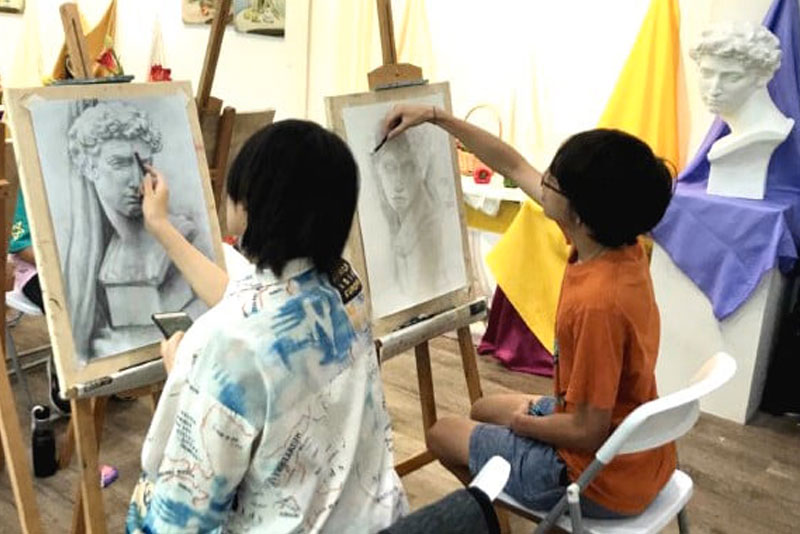
Regional and secondary schools can offer a better fit for students who thrive in less competitive environments or prefer a community-focused approach. Famous art schools attract a global pool of applicants, creating intense rivalry that may not suit every artist. This was my experience at Pratt. It was the same situation when I visited Art Center, FIT or CCS.
The pressure and competitive environment never really let’s up and it’s not for everyone. Regional programs, by contrast, often foster a collaborative atmosphere where students support each other’s growth. This can be especially beneficial for students exploring their passions at secondary art schools, where the emphasis is on creative development rather than immediate professional output.
Art Schools and the Local Art Scene
Additionally, proximity to local art scenes such as galleries or studios provides practical exposure and networking opportunities tailored to the region’s industry needs, which can be more relevant than the broad, cosmopolitan networks of top schools. Another advantage is the flexibility these schools offer.
Regional art schools, meanwhile, may provide diverse programs that blend traditional art with emerging fields like digital design or animation, catering to modern career demands. This adaptability can help students discover their niche without the financial or emotional investment required by prestigious institutions.
Critically, the narrative that only top-tier schools guarantee success deserves scrutiny. While elite schools offer prestige, the art world values talent and persistence over institutional branding. Many successful artists have emerged from regional programs, leveraging local connections to build careers.
The lower cost and personalized support of these schools can also reduce the debt burden, allowing graduates to focus on creating rather than repaying loans. This financial freedom can be a game-changer, especially in a field where early career stages often involve unpaid or low-paying opportunities.

Are Regional Art Schools Worth It?
Regional and secondary art schools in the U.S. provide a valuable alternative to the famous institutions, offering affordability, personalized education, and a supportive community. Some “secondary” or regional schools excel in very specific areas.
For example, some might be known for animation, others for traditional painting, industrial design, or craft. Public universities often have art departments or schools that provide excellent art education—at a more accessible tuition rate for in-state residents. Art college preparation for these programs are the same as those for a national or global school.
These art schools can be a better fit for students seeking a less pressured environment or those building a foundation before pursuing higher education.
Top Secondary and Regional Art Schools
Below is a list of top secondary and regional art schools across the U.S., highlighting their locations. This list is not exhaustive, but it provides a strong starting point for exploring excellent art education opportunities across different regions of the U.S.:
Have Questions About Art Schools? Talk to Us-
At Art College Prep our specialized guidance can make a difference to your creative future. Our programs provide personalized pre-college guidance and art college preparation helping aspiring artists and designers gain admission—and potentially receive scholarship awards to the art schools they want to attend.
What We Offer:
• Artwork Assessment: Receive detailed, professional feedback on your current work, identifying strengths and areas for improvement to ensure your portfolio aligns with the expectations of elite art schools.
• Art College Portfolio Projects: Work with an experienced mentor to develop projects that showcase your unique voice and meet the specific requirements of your target schools.
• Art Portfolio Preparation: Get step-by-step guidance to curate, refine, and present a cohesive portfolio that maximizes your chances of admission and scholarship opportunities.
• Admission Strategy: A personalized roadmap through the application process, from school selection to deadline planning, each step based on based on family interests and your teen’s interests, strengths, and long-term goals.
• Interview Coaching: We help your teen speak confidently and authentically about their work, their goals, and their creative process.
With our support, you’ll not only increase your chances of getting into your dream school—but also position yourself for scholarships that can save tens of thousands of dollars.
Schedule a free consultation—and learn how our services can help you take your teen’s creative journey to the next level.
Michael Santoro
Art College Prep
Michael Santoro‘s distinguished career spans more than thirty years, characterized by his dedication to innovation, timeless design, and fostering new talent. His influential work ranges from generating award-winning designs for Chrysler to his pioneering role in founding the Apple-specific case market with MacCase, all while actively guiding the next generation of creative professionals across a broad range of disciplines.





Leave A Comment